In recent years, Europe’s regulatory environment for plastic food contact materials has undergone significant transformation. The introduction of the Recycling Regulation (EU) 2022/1616 marked a pivotal change, setting out specific requirements for decontamination processes involved in producing recycled plastics intended for food contact. This was soon followed by the new Packaging and Packaging Waste Regulation (PPWR), which, among other things, establishes minimum recycled content levels for plastics. For the past two decades, Starlinger viscotec has been actively engaged with the European Food Safety Authority (EFSA) and its evolving guidelines. To ensure our customers receive the most up-to-date and comprehensive advice, we have enlisted food safety expert Lisa Pechhacker to shed light on some of the most pressing questions regarding food safety in the context of recycling.

Q: Lisa, as an expert in food safety within the plastics recycling industry, what steps must a recycler take to obtain EFSA certification?
Lisa: The regulatory landscape has evolved considerably in recent years. To achieve what is commonly referred to as “EFSA approval”, a recycler must first register with both the EU and their local authority prior to beginning production. Shortly after production commences, he is required to submit a Compliance Monitoring Summary Sheet (CMSS). Additionally, an audit by the local competent authority must take place within one year of starting production. These are the first stringent milestones when starting production of food grade rPET. With the introduction of the new regulations, the technology provider, such as Starlinger, holds the license for all its recycling processes, including the deCON system.
Q: Starlinger provides its process license to recyclers who purchase a recycling plant. In what other ways does Starlinger support its customers?
Lisa: Previously, each recycler had to submit their own application to EFSA in order to obtain a Positive Opinion. Now, this step is no longer necessary. Instead, recyclers can make use of Starlinger’s existing process licenses, provided they comply with all the requirements set out in EU Regulation 2022/1616. The emphasis has shifted from the EFSA application process to fulfilling the comprehensive demands of this regulation. Apart from the first three administrative milestones, these include batch-level traceability, separate collection, strict input controls, certified pre-processors and a specific Declaration of Compliance (DoC), among others. Meeting these rigorous requirements calls for a reliable partner with extensive experience in regulatory compliance. For years, Starlinger has offered its “food grade package,” a comprehensive support service that helps recyclers navigate the complex regulatory landscape and produce recycled PET that meets European standards. We provide our customers with all the necessary information to significantly simplify the approval process for recyclers.
Q: EFSA guidelines apply to the European market. Are they also relevant for recyclers outside of Europe?
Lisa: EFSA’s guidelines and methodology are recognized as the strictest worldwide. Europe’s strong demand for packaging made from recycled materials is driven by the Packaging and Packaging Waste Directive, which sets minimum requirements for recycled plastic content. Starting in 2030, single-use beverage bottles and contact-sensitive packaging(1) made from PET must contain at least 30% recycled content, sourced from post-consumer plastic waste. EFSA regulations apply to anyone supplying sheet or food and beverage packaging to the European market. Therefore, recyclers outside of Europe who wish to export their products to Europe must fully comply with all EFSA requirements. We encourage anyone interested to get in touch with us to benefit from our experience and to receive comprehensive information and support. (1) contact sensitive = for contact with food, pharmaceutical products and cosmetics.
Q: Starlinger viscotec has recently developed new recycling processes for other polymers than PET. How can these be used for EFSA-compliant production?
Lisa: The PPWR (Packaging and Packaging Waste Regulation) doesn’t just apply to PET; it also covers other plastics such as PP, PS, and PE. According to the regulation, contact-sensitive packaging made from these materials must contain at least 10% recycled content by 2030, increasing to 25% by 2040. While mechanical recycling of PET is already recognized as a suitable technology under EU 2022/1616, other recycling processes—including those for plastics like PP, PS, or PE—fall under the category of “novel technology”. This means that, e.g. a food grade rPE recycling process must undergo rigorous testing, comprehensive data collection, a formal submission, and a thorough review by EFSA before it will be treated as a suitable technology.

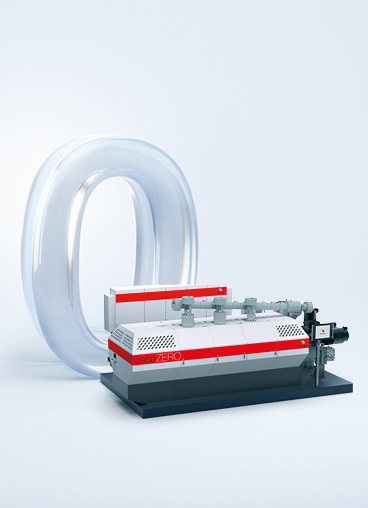
With the development of viscoZERO, I believe Starlinger is ahead of the curve. The application for this novel technology has already been submitted to the European Commission and the relevant authorities, so recyclers can begin preparing to use these innovative processes in anticipation of future regulatory quotas.
Q: And finally, what other services does your company ‘LMS Consulting’ offer?
Lisa: Starlinger viscotec provides comprehensive support to recyclers in meeting all machinery-related requirements under Regulation EU 2022/1616. However, this complex regulation also imposes numerous obligations on the entire supply chain. That’s where LMS Consulting comes in—our services begin where viscotec’s technology-based support ends. I assist recyclers, pre-processors, collectors, and converters in identifying and implementing every aspect of EU 2022/1616 compliance. My goal is to make the complexities of this regulation manageable—offering focused, straightforward, and efficient support.
Footer